I don’t get the sense that policy-makers at the state or county level have a clear idea of what they’re trying to accomplish. Are they trying to maximize tax revenue, increase food security, or maybe do both at once? (good luck!)
The county of Hawaii has various real property tax rates for different types of property. Agricultural rates are higher than homeowner rates. Assessed values also depend upon the uses made of land. Within the agricultural classification, there are different and higher assessed values for intensive uses such as crop growth, compared to pasture. Assessed values for ag land are always below fair market value.
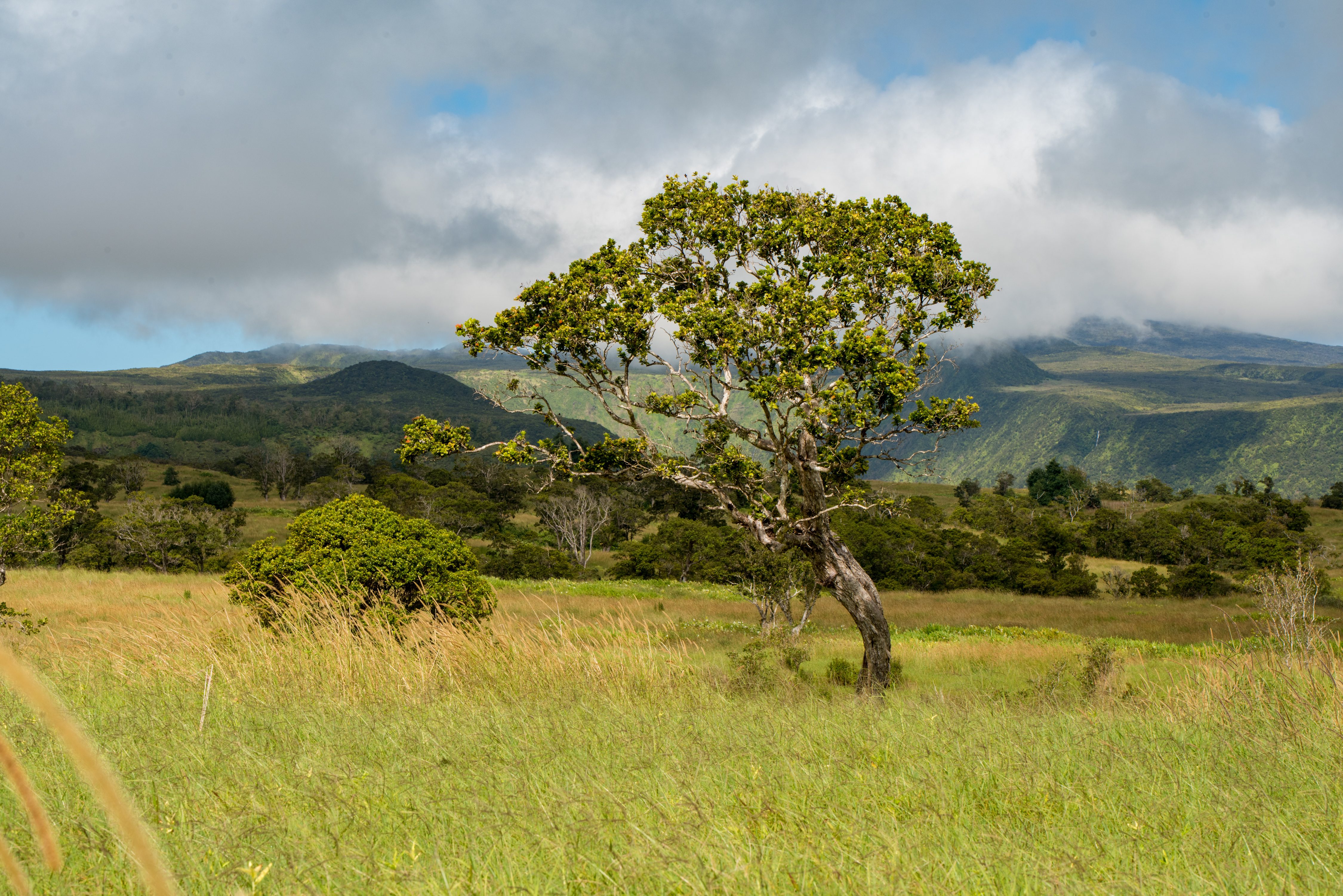
The county, or at least some council members, take the position that agricultural land owners are being “subsidized” by other real property tax payers. That has never made any sense to me. I pay homeowner rates on my home, and my pasture is assessed and taxed as agricultural land. Someone with a house that was their primary residence, on a 10,000 square foot lot, would pay less than I do, but would be likely to make the same or higher demands on public resources as I do.
If they’re trying to promote food security, the county should be granting the ag rate to anyone who is growing a food crop or raising animals for slaughter, or even just preserving the option to do so in the future, whether at a commercial level or for person consumption. But that is not the case. Instead, they are granting ag rates to people who grow ornamentals, which can’t be eaten but which are an excellent way to transporting pests from one area of the Big Island to another, or even farther.
And there is more to agriculture than the production of crops or animals for human consumption. The Big Island is home to many ranches and horse trail rides. The horses get old. Is pasturing them, either while they’re working or after they’re retired, an agricultural use? It should be, but how does that fit in to the schemes being dreamed up?
At the state level, they seem equally confused about what they are trying to accomplish. They want to acknowledge that subsistence agriculture is a valid use of agricultural land, which is definitely a step in the right direction, but they seem to be stumbling around in the dark in terms of what they are trying to accomplish. Their as yet vague ideas are likely to require more paperwork from small land holders, more taxes to pay the salaries of civil servants who may not have any idea of what they are supposed to be looking for, and will almost certainly result in further consolidation of land holdings, as the small holders are unable to jump through the hoops set for them by misguided and ill informed politicians and bureaucrats. Frankly, rather than making sausage, as Tim Richards is quoted as saying, I’d prefer that the policy makers proceed with a clear understanding of the goals they wish to accomplish. All I see, again and again, is that the policy makers feel as though some land owners are “cheating” and should pay more.