Updated May 2026. Originally published 2019.
People fall in love with the idea of living in Hawaii. The reality is more nuanced — and more interesting. Here is an honest assessment from someone who has lived on the Big Island for most of her life.
The Pros
Water
Long before I became a realtor, I practiced water law in Colorado. I was appalled by how reliant Colorado was on non-tributary aquifers that were being consumed with no plan for what would happen when they ran out. The Big Island’s situation is fundamentally different. Our fresh water aquifers are replenished by plentiful rainfall, filtered naturally through lava before entering the ground. In the wetter parts of the island the aquifers remain full and robust.
That said, water supply is more precarious in the dry, sunny areas that many people move to Hawaii to enjoy. There are limits on how much water can be transferred from wet areas to dry ones, which in turn limits development in those areas. If you’re considering a property in a drier part of the island, understanding the water supply situation is an important part of your due diligence.
Natural Beauty and Climate
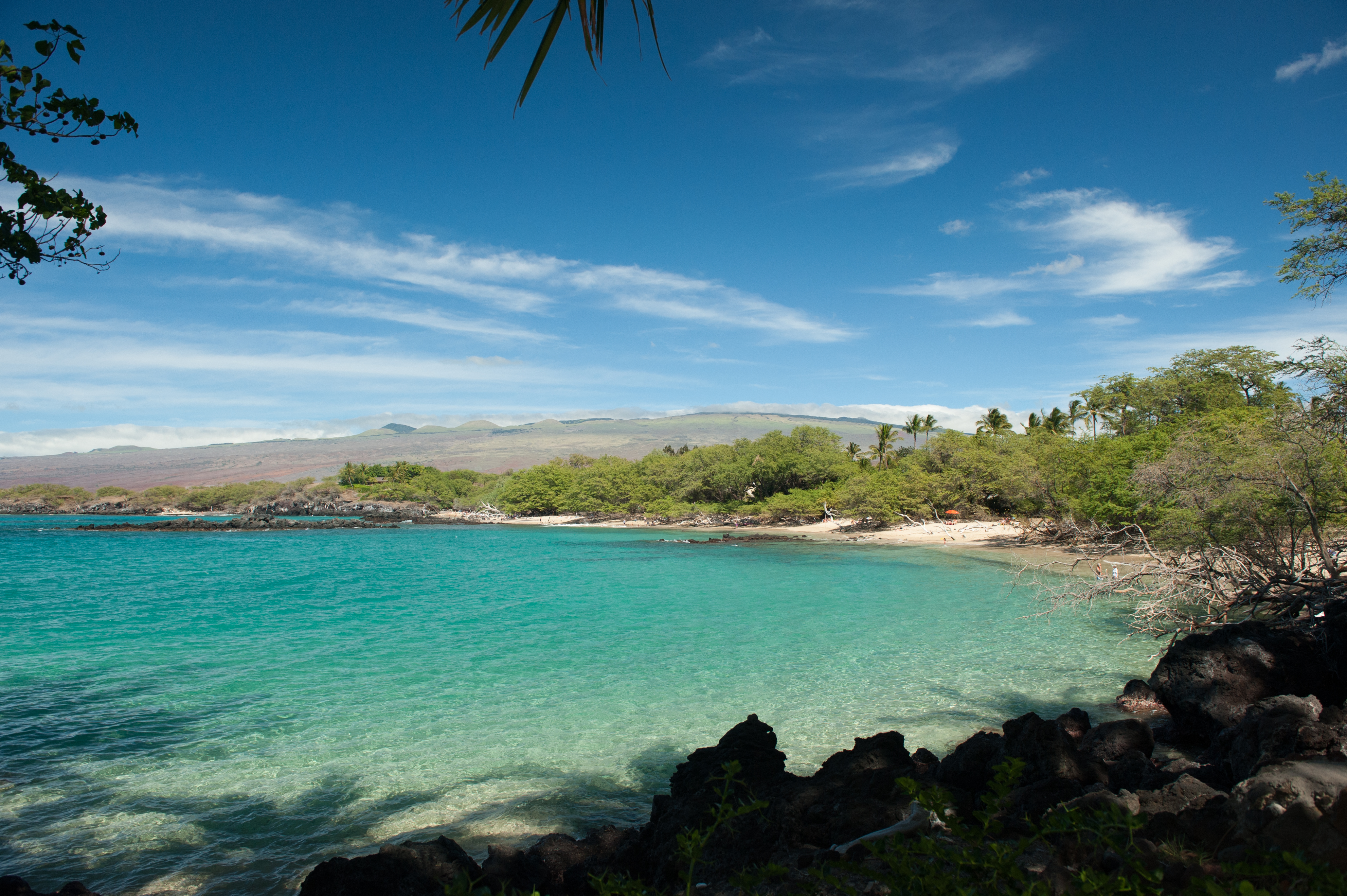
We have some of the world’s most beautiful coastlines and beaches, a huge variety of micro-climates, and weather that most mainlanders can only dream about. The Big Island alone contains eleven of the world’s thirteen climate zones — from tropical rainforest to alpine desert. Whatever your preference, there is likely a corner of this island that suits you perfectly.
Food
The local food scene is extraordinary. The Big Island has thriving local food producers — from grass-fed beef to honey, goat cheese, macadamia nuts, coffee, tropical fruits, and some of the most wonderful strawberries and vegetables you will ever taste. If you love fresh, locally grown food, you will be very happy here.
The People
The best thing about the Big Island is the people. We are diverse, and we live on an island. We cannot share this island if we are not respectful of one another — and most people here understand that instinctively. People smile at each other, help each other, and know how to get along with people they may not agree with.
This is not a place for racists, and especially not white nationalists. If you are coming here expecting to find a community of people who look, think, and act like you do, you will be disappointed and unwelcome. If you come with an open heart and genuine respect for others, you will likely find more community and connection here than anywhere you have lived before.
The Cons
Isolation
The Big Island is exactly that — an island. You cannot get in your car and go on a road trip. Your family and friends may not visit as often as you’d like. Travel to and from Hawaii is expensive and time consuming. For people who thrive on spontaneous travel or who have deep roots on the mainland, this isolation can become genuinely wearing over time.
Cost of Living
Everything costs more here, if you can get it at all. Gas is over $6 per gallon. Electricity is equally eye-opening. Hawaii residents pay between 39 and 41 cents per kilowatt-hour — more than twice the national average of about 17 cents. For a typical household using around 500 kilowatt-hours per month, that works out to roughly $200-$215 per month in electric bills. The good news is that rooftop solar pays for itself in 4-6 years at these rates, and Hawaii leads the entire nation in rooftop solar adoption with 43% of single-family homes having panels installed. If you’re building or buying here, solar is worth serious consideration. Groceries, building materials, and everyday goods are significantly more expensive than on the mainland because nearly everything is shipped in. Don’t assume your mainland budget will translate.
Services and Repairs
Getting anything fixed here — an appliance, a car, a roof — is a major undertaking. Replacing broken appliances with anything but the most generic brands and models is time consuming and expensive. The supply chain challenges that the rest of the world discovered during COVID have always been a fact of life here.
Medical Care
Healthcare is a genuine concern. The basics are reasonably well covered, but anything beyond routine care will likely require a trip off island. Primary care physicians are hard to find, specialists are scarce, and the situation has been getting worse rather than better. If you or a family member has complex medical needs, this deserves very careful consideration before you commit to moving here. I discuss this in more detail in my post on What You Need to Know Before Moving to the Big Island.
Schools
The public schools try hard but are under-resourced. The private schools are expensive and, as I discuss in my Waimea Schools post, have their own limitations. This probably isn’t the ideal place for families who want the broadest possible academic opportunities for their children.
Politics
I wish our State and County political leaders were far better at anticipating needs, protecting assets, and ensuring that every resident has a fair opportunity at a good life. They are not. In the meantime, the wonderful, self-reliant people of the Big Island make life work despite their clumsy political representatives — which is itself a testament to the community here.
Is the Big Island Right for You?
If you are reasonably healthy, willing to extend to others the same respect you would like to receive, and love being outdoors, active, and eating great fresh food in a clean and beautiful environment — the Big Island may be exactly right for you.
If you need easy access to specialized medical care, crave urban amenities, or want the widest possible educational options for your children, it may not be the right fit — and it’s better to know that before you move than after.
I’m happy to share more about the realities of life on the Big Island. Just get in touch.
Judy S. Howard, Esq. is a Realtor Broker with COMPASS in Waimea, Hawaii, and a licensed Hawaii attorney . She can be reached at judy@livinginwaimea.com or 808-885-5588.