Last updated: April 2026. Market conditions change frequently — contact me for the most current information.
If you’ve been thinking about buying a home in Waimea, now might be a very good time to take a serious look.
What’s Available Right Now
There are currently four homes listed in Waimea under $1 million, ranging from $710,000 to $970,000. All four are show-ready and well-presented. These are not distressed properties or fixer-uppers — these are homes whose owners have done the right things to prepare for sale. The fact that some have been sitting on the market for anywhere from 41 to 125 days does not appear to be driven by any deficiency in the properties themselves, although one has tenants who are not always cooperative, and another has large and noisy dogs next door, but by mortgage rates and general economic uncertainty. Most have already seen at least one price reduction.
It’s worth noting that six properties in the $1M and under price range are currently in escrow and four have sold in the last 30 days — so the market is active. Buyers are buying — they’re just being selective.
You can view the current listings I’m referencing here: Waimea Town Single Family Homes $1M and Under
For buyers with cash or who can secure financing, this is an opportunity worth taking seriously.
Where Are These Homes?
All four are located east of Waimea town center. The east side of town gets more rainfall than the town center or the west side. If you love the sun, that’s worth knowing. On the other hand, the east side is less windy, less dusty, and carries significantly lower fire risk — which is not a small consideration on the Big Island. None of these homes are within walking distance of the town center, but all are easily accessible by car.
Why Waimea?
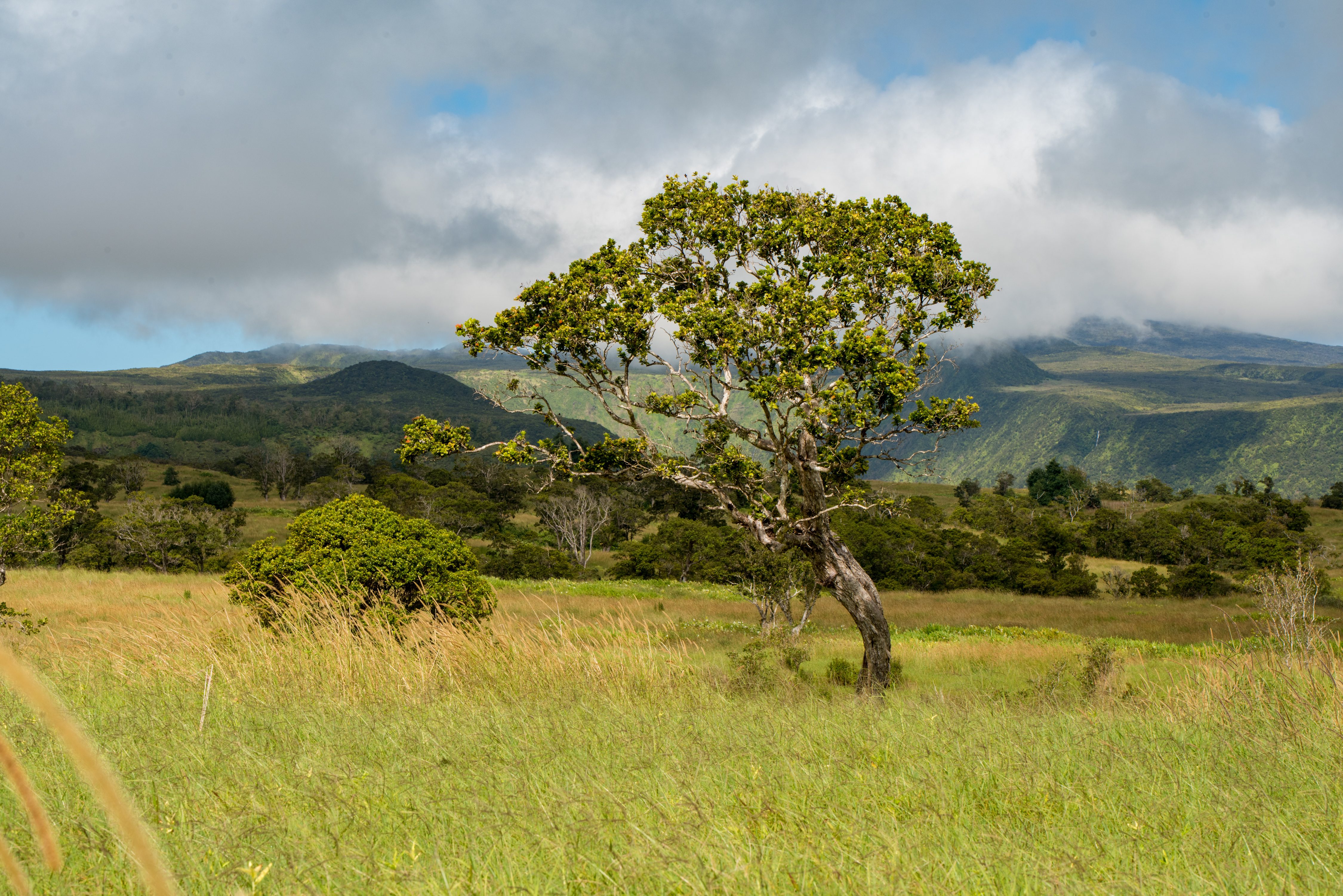
For those unfamiliar with Waimea, let me tell you why people love it. This is paniolo country! A genuine Hawaiian ranch town, set among beautiful mountains with a cool, crisp climate that feels nothing like the rest of the island. It is home to two well-regarded private schools with strong records of sending graduates to top universities, as well as public elementary and intermediate schools and a very popular Hawaiian immersion charter school. It is the headquarters for the Keck and Canada-France-Hawaii observatories. It has a wonderful theater, and its restaurant scene is exceptional — known throughout the state for fresh, regional cuisine.
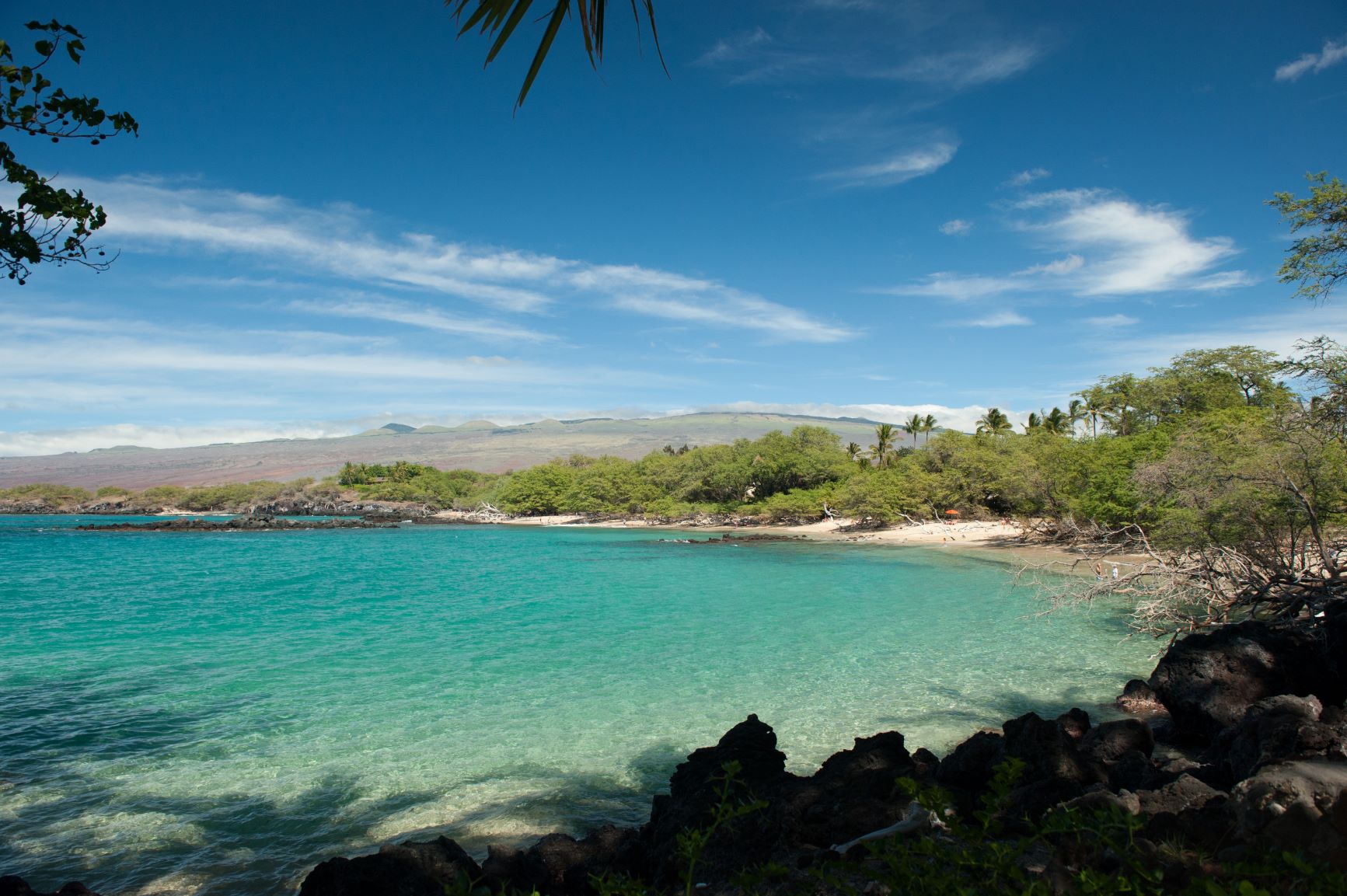
And it is just a short drive from some of the most beautiful beaches in the world.
Most people from Hawaii already know about Waimea and love it. For mainland buyers relocating to the Big Island, it often comes as a revelation.
Hawaii-Specific Things Buyers Should Know
Buying in Hawaii is not quite like buying anywhere else, and Waimea has its own specifics worth understanding.
County water:
All four current listings are on county water, which is straightforward and one less thing to worry about.
Cesspools:
Many older Waimea homes have cesspools rather than septic systems. The State of Hawaii has mandated that all cesspools be converted to septic systems by 2050. If you’re buying a home with a cesspool, factor eventual conversion costs into your thinking. It’s worth getting a ball park estimate during your due diligence period.
Fee simple ownership:
All current listings are fee simple, meaning you own the land outright. This is what most buyers prefer and expect, but it’s always worth confirming in Hawaii where leasehold properties do exist.
Lava zone:
Waimea sits in lava zone 8 or 9, which is the lowest risk category on the Big Island. This is not a concern for buyers in this area.
Property taxes:
Hawaii has relatively low property tax rates, but when you buy a new property you should be aware that qualifying for the homeowner exemption rate takes a little time. Budget for a potential bump in your property tax bill for the first year or so, and make a visit to the Real Property Tax office part of your due diligence process.
Is Now a Good Time to Buy?
In my professional opinion, yes — if you have the cash or can qualify for financing. Prices in this range are reasonable for what Waimea offers, the available homes are in excellent condition, and sellers have already demonstrated flexibility with price reductions. I can’t predict whether prices will go lower, but I can tell you that well-priced, move-in ready homes in Waimea don’t stay available forever.
If you’d like to talk through any of these properties or the buying process in general, I’d love to hear from you. And please check back for future updates as the market changes.
Judy S. Howard, Esq. is a Realtor Broker with COMPASS in Waimea, Hawaii, and a licensed Hawaii attorney with over 30 years of experience. She can be reached at judy@livinginwaimea.com or 808-885-5588.